
If you’ve ever stood at the doorway of your teen’s room—coffee in hand, patience running low—thinking, “Why is this so hard every single morning?”… you’re not alone.
The majority of my private clients struggle with getting out of bed and being on time for school. Bright, capable teens. Big dreams. Big hearts. And yet… getting out of bed feels like climbing a mountain before 7 a.m.
This isn’t laziness.
This is ADHD meeting the morning.
Let’s talk about what’s really going on—and how to support your teen in ways that build independence instead of daily power struggles. 🌱
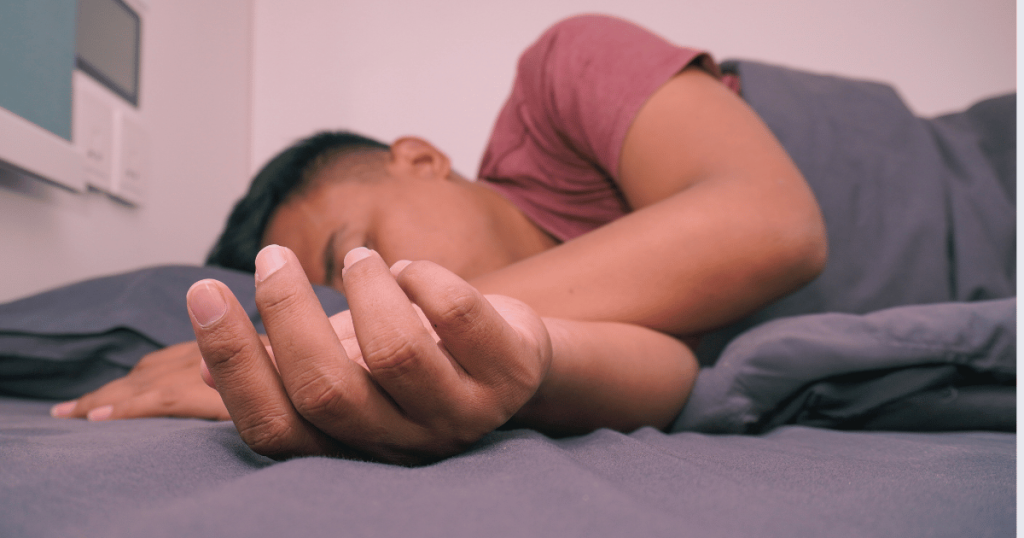
What’s Actually Happening in the ADHD Brain
Mornings are tough for any teen. But for teens with ADHD, there’s a perfect storm at play:
1. Sleep and the ADHD Brain Don’t Get Along
Many teens with ADHD experience delayed sleep cycles. Their brains don’t “power down” easily at night, which means they fall asleep later—and waking up early feels brutal.
So when the alarm goes off, their brain is still in deep sleep mode. It’s like asking someone to sprint the moment they wake up. And, many teens don’t even remember their alarms going off or you waking them!
2. Executive Function Is Still “Offline”
Skills like starting tasks, shifting gears, and remembering what comes next are all part of executive function. These are often the slowest to wake up in the morning.
So while you’re thinking, “Just sit up, get dressed, grab breakfast,” your teen’s brain is still buffering.
3. Low Motivation First Thing in the Day
ADHD brains are driven by interest, urgency, and dopamine. Mornings tend to offer… none of those.
School can feel far away, overwhelming, or emotionally heavy—especially if your teen is dealing with missing work, social stress, or academic pressure.
Staying in bed feels safer. And, safer makes it harder to get feet on the ground!

Why “Just Try Harder” Doesn’t Work
Most teens with ADHD already want to do better. They just don’t yet have the systems to support their intentions.
What helps isn’t more pressure—it’s better structure.
Think less:
“Why can’t you just get up?”
And more:
“How can we make mornings easier for your brain?”
That shift alone lowers defensiveness and opens the door to collaboration instead of conflict. 🫶

Strategies That Actually Help (And Build Independence)
These are some of my favorite coaching-backed approaches that support your teen’s brain instead of fighting it:
1. Create a “Soft Start” Morning
Instead of jumping straight into “get dressed, pack your bag, go,” try a gentle transition:
- Alarm
- Sit up
- Light on
- Feet on the floor
- Then movement
Even a 2-minute routine helps the brain shift gears.
2. Add Movement First
Movement wakes up the brain faster than talking ever will.
- Walk to the bathroom (or crawl- whatever it takes to get out of the bed!)
- Do 10 jumping jacks
- Stretch at the side of the bed
It doesn’t have to be intense—just enough to turn the lights on upstairs.
3. Use Visual Routines
A simple checklist on the wall can look like:
- Wake up
- Bathroom
- Clothes
- Breakfast
- Backpack
This removes the mental load of “What do I do next?” and turns mornings into a follow-the-steps system.
4. Practice the Night Before
Mornings go better when decisions are already made:
- Clothes laid out
- Backpack packed
- Lunch planned
- Water bottle packed
- Phone on only when you leave the house
Less thinking = less resistance. The mindset I encourage my private clients to have in the AM: “I don’t want to make any decisions before I leave the house.” Overthinking and ruminating are the biggest culprits of being late.
5. Talk With Your Teen (and Prescriber) About Morning Med Timing
For some teens, one of the biggest barriers to getting out of bed isn’t attitude—it’s brain activation.
Many families I work with experiment (with their doctor’s guidance) with when medication is taken in the morning, and the difference can be noticeable.
Some teens:
- Take their medication when the first alarm goes off, then rest for 20–40 minutes while it begins to kick in
- Instead of waiting until right before they walk out the door
When medication starts working before the morning rush, it can help:
- Wake up their motivation system
- Improve mental clarity
- Reduce that “heavy, stuck” feeling in their body and brain
- Make starting the first step feel more possible
This isn’t about forcing productivity—it’s about supporting brain function so your teen has a fair starting line.
A simple, collaborative question to ask:
“Do you feel more ready for the day when you take your meds earlier—or later?”
That one conversation can turn mornings from a power struggle into a problem-solving moment where your teen feels heard and involved.

Popular Tools, Alarms & Apps Teens Actually Use
These aren’t magic—but they can be powerful supports when paired with good routines:
⏰ Alarm & Wake-Up Tools
- Alarmy – Makes you solve a math problem, take a photo, or walk to turn it off
- Clocky – A physical alarm clock that rolls away so you have to get up to catch it
- Apple/Android Bedtime Mode – Helps regulate sleep and wake cycles
📱 Focus & Routine Apps
- Unbed- A small block you keep in another room. When the alarm goes off, you have to get up and tap your phone to the block to turn it off—no snooze, no dismiss.
- Routinery – Builds step-by-step morning routines with timers
- Tiimo – Visual schedules designed for ADHD brains
- Brili – Great for teens who like gamified routines
🌳 Motivation Tools
- Forest App – Grow a virtual tree by staying off your phone while getting ready
- Habitica – Turns routines into a role-playing game
The goal isn’t perfection. The goal is support without micromanagement.

The Bigger Picture
Every morning isn’t just about getting to school.
It’s about teaching your teen:
- How to build systems
- How to work with their brain
- How to create independence instead of relying on reminders forever
Progress doesn’t look like “never struggling again.”
It looks like:
- Getting up 5 minutes faster
- Not being late everyday, but maybe, just one day a week.
- Needing one less reminder
- Taking ownership of one small part of the routine
And those small wins? They add up. 💛
PS. Ready to Go from chaos to calm & confident with my help?
ADHD 101 is your shortcut to a better relationship, a calmer home, and a more confident approach to parenting your teen.
It has everything I wish I had access to when I found about my sons ADHD diagnosis.
Get it today for just $97.