
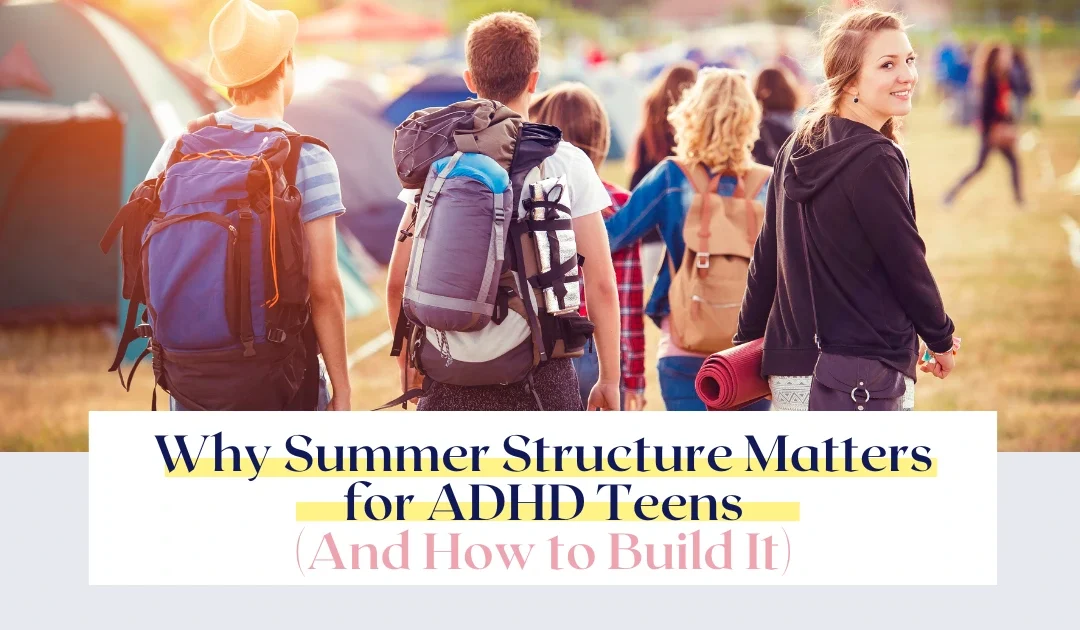
Ah, summer. ☀️
The season of sleeping in, hanging out, and finally taking a break from the school grind.
But if you’re parenting a teen with ADHD, summer often comes with a hidden cost: a sudden loss of structure—and with it, a sharp rise in stress, boredom, and self-doubt.
And here’s the thing most people don’t realize: for neurodiverse teens, structure isn’t about control—it’s about freedom.
Let’s unpack why summer structure is so important, how the absence of it impacts our ADHD teens, and what simple shifts you can make at home to help your teen feel capable, accomplished, and in control of their days.
When Summer Turns into a Free-Fall
During the school year, most ADHD teens operate with a scaffold: set class times, scheduled meals, due dates, sports, even reminders from teachers. While it may feel overwhelming at times, and teens may resent how “everyone” is controlling their lives, it does provide consistent external structure.
Then summer hits—and all of that vanishes.
Suddenly, your teen is waking up at noon, forgetting to eat, spending hours on their phone, and falling into that all-too-familiar cycle:
🌀 “I don’t feel motivated → I don’t do anything → I feel bad about myself → I avoid even more.”
This is what happens when an ADHD brain has no roadmap. Teens with ADHD thrive with external cues, routines, and clarity, and summer removes many of those without offering a replacement.
I’m all in for taking time off and having a break from all the school structure. Getting back on track and creating structure on their own helps eliminate decision making and overthinking.
Why Structure Isn’t the Enemy
Let’s bust a myth real quick:
Structure does not mean “rigid schedule with no room for fun.”
Structure simply means predictability. A framework. Less decision making. Security knowing what will happen and when it will happen.
It’s saying to your teen, “Hey, here’s what you can expect today. Here’s where we’re going. And here’s what success can look like.”
When we create a loose structure in the summer—especially one designed with your teen and not for them—it does a few powerful things:
✅ Reduces stress and decision fatigue
✅ Helps manage time and screen use
✅ Builds independence and self-management skills
✅ Increases dopamine by giving them small wins
And most importantly?
It helps your teen start to trust themselves (and honestly, helps them hold themselves accountable.)
How to Create Summer Structure That Works
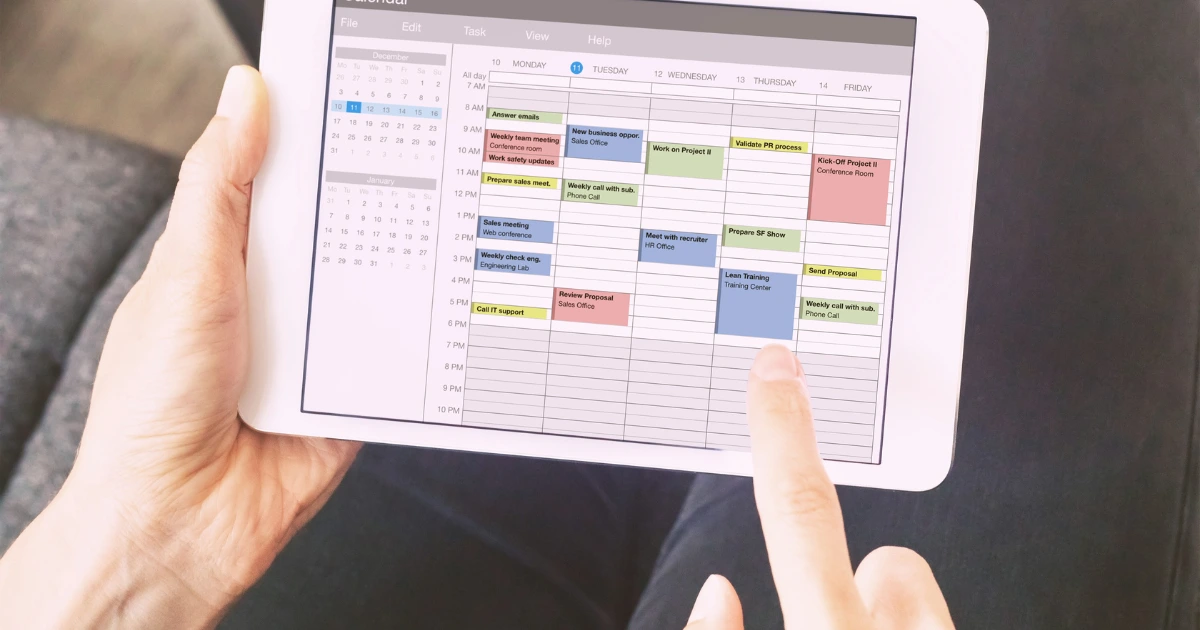
You don’t need a color-coded hourly chart taped to the fridge. (Unless your teen asks for one!)
Here’s what I recommend instead:
☀️ 1. Start With Anchors
Create a few non-negotiable daily touchpoints—things that happen around the same time each day, like:
- Wake-up + get ready routine (even if it’s at 10:00am!)
- Meal prep or a shared lunch
- 30–60 minutes of productive time (see below!)
- Movement: a walk, swim, dance break—anything!
These anchors provide gentle guardrails for the day.
📋 2. Build in a Daily “Win”
Help your teen create a small list of tasks that give them a sense of accomplishment—not just chores, but things like:
- Practicing a hobby
- Reading a chapter
- Cleaning out a drawer
- Working a summer job or volunteering
- Journaling or goal-setting
Let them choose one “win” a day and hold themselves accountable. That moment of completion builds self-esteem. 💪
👥 3. Weekly Planning Together
Once a week, sit down with your teen and loosely plan out the week:
- Any appointments or camps?
- What days are friend hangouts or family outings?
- Which days will be totally open?
Ask them:
🧠 “What do you want to feel proud of this summer?”
And:
💬 “What support do you want from me to make that happen?”
This keeps communication open and allows them to take the lead—while you guide gently from the sidelines.
Why Accountability Builds Confidence
One of the most transformative things I see in coaching is this:
When teens learn to keep promises to themselves, they begin to feel capable.
Not perfect. Not always consistent.
But capable.
That’s the sweet spot we’re aiming for this summer. ✨
So if you’re feeling the summer slide already creeping in, remember: it’s not about doing more—it’s about doing what matters with intention.
A little bit of structure goes a long way for an ADHD brain.
And when that structure is paired with small daily wins and self-accountability? That’s when confidence soars.

💬 Need help building a summer routine that works for your teen
That’s what I do best. Whether it’s one-on-one coaching or upcoming programs, I’d love to walk alongside you. Send me a message or check out my new parent membership here!
Here’s to a summer of growth, rest, and confidence—for both of you. 💛