

Managing Teen ADHD Without Losing Your Mind
If you’re here, chances are your home might feel like a battle zone right now. You love your teen with attention deficit hyperactivity disorder like crazy, but the forgetfulness, the shut-downs, the last-minute “I have a project due tomorrow” and “I need to run to Target to get my supplies tonight” moments… it’s exhausting.
First, I want to say this: You are not failing. Parenting a teen with ADHD is one of the hardest things you can do—and also one of the most transformative. When we start to understand what’s really going on in the ADHD brain and shift how we respond (knowledge is power!), everything begins to change.
Below are five of the most powerful strategies I teach in my private coaching and parent programs. These approaches help parents reduce friction, rebuild trust, and guide their teen toward independence—with fewer tears and more connection.
(Psst…I’m preparing to launch a parent monthly membership soon tackling all these strategies in more detail. If you’d like to know more about it, make sure to keep an eye out in the next few months).

Understanding Teen ADHD Symptoms: Why Your Child Acts This Way
🧠 Understand the ADHD Brain (So You Stop Taking It Personally)
Let’s start here—because this changes everything.
Your teen’s brain is not wired like yours. Executive functions like planning, prioritizing, remembering instructions, time management, and regulating emotions are often delayed by 2–3 years in teens with deficit hyperactivity disorder. That means your 16-year-old might be operating with the emotional regulation/intelligence of a 13-year-old… and it shows. And, it also puts behaviors and reactions to situations in perspective.
So when they leave their homework on the kitchen table again, or snap at you when you remind them to study, it’s not because they’re lazy or disrespectful. It’s because their brain is struggling to keep up with demands it hasn’t yet mastered.
👉 What helps? Compassion (those with ADHD thrive when they feel understood and validated). Curiosity. And coaching—not controlling or punishing with taking things away. When you stop seeing it as “They just don’t care” and start seeing it as “They don’t know how to do this yet,” or “they are lagging behind in the life skills needed to help them regulate and manage daily life,” the temperature in your home drops fast.

ADHD Treatment Approaches: From Control to Collaboration
🤝 Shift From Control to Collaboration
I say this all the time: We can’t parent from a place of panic. But that’s often what’s happening. The more we parent with control, the further your teen slips from you.
We see our teen slipping—missing assignments, zoning out on TikTok, refusing to start their homework or maybe even going to school—and we react. We raise our voices. We micromanage. We remind… again and again and again. (And if you’re like me, you also toss in a sigh and a little eye roll 🙃)
But here’s the truth: Nagging doesn’t build skills. Collaboration does.
Instead of saying, “Go do your homework right now,” try:
- 🔹 “What’s the plan for your math work today?”
- 🔹 “How can I help you get started?”
- 🔹 “What feels hard about this assignment?”
This language puts you on their team instead of positioning you against them. It shifts the moment from a power struggle to a partnership. And over time? It builds their internal motivation to solve problems on their own—which is exactly what we want.
If they resist this approach at first, try again the next day. Remember, if we’ve been doing most of the talking, they likely tuned us out a long time ago. It will take some baby steps to re-engage them and rebuild that back-and-forth interaction—but it’s absolutely possible.

Time Management for ADHD Teens: Creating Structure That Works
📅 Build Predictable Routines (Even If You Hate Routines)
I know, I know—routines can feel boring, restrictive, and hard to maintain. But for teens with attention deficit? Routines are freedom.
Routines provide stability. They let your teen know what’s expected, which significantly reduces their stress. With routines in place, there’s no guessing, no surprises—just a clearer path forward.
Routines remove the mental load of decision-making. They reduce anxiety. They help your teen know what’s coming—which makes it easier to prepare and transition.
In my coaching, I teach my clients (high schoolers) and their parents to build simple routines that repeat daily. A few examples:
- Morning preview: “What’s on your plate today?” (Ask this over breakfast or the night before)
- Afternoon check-in: “What’s your top priority after school?”
- Homework zone: A consistent time and place (yes, even if they swear they “don’t have homework”)
Here’s the magic trick: Write it down. A visual schedule on a whiteboard or planner is a game-changer. Every time you turn a verbal reminder into a visual one, you reduce tension—and increase follow-through.
This approach is recommended by mental health professionals and is part of comprehensive ADHD treatment that doesn’t solely rely on ADHD medications.

Supporting Your Teen’s Mental Health: The Power of Encouragement
🎉 Lead With Encouragement—It Changes Everything
This one gives me goosebumps because it’s so often overlooked… and it matters more than you know.
As parents, we can focus on everything that may not be going “right”. Your teen hears a lot of correction every day. At school. At home. From themselves. “You forgot again.” “Why didn’t you start earlier?” “You’re behind.” These negative messages build up fast—and they become the inner voice our teens carry.
But YOU, parent, have the power to rewrite that narrative.
Every time you say, “I saw how hard you worked on that,” or “You remembered your water bottle today!” or “Thank you for texting me back,” or “Thank you for bringing your trash down the second time I asked you,” you’re building your teen’s belief in themselves. It may feel small to you—but to them, it’s a win. It’s proof that they can do this. And, they need to know that you are noticing all the small things!
One of my favorite practices? A “Wins Wall.” Grab some sticky notes and write down every win—big or small. Turned in homework? WIN. Got up with only two reminders? WIN. Advocated for themselves with a teacher? MAJOR WIN. 💥 (and that one may even deserve a Starbucks run!)
This visual celebration fuels motivation far more than threats or consequences ever will. This positive approach also helps manage symptoms of mental health conditions that often accompany hyperactivity disorder, like anxiety and depression.

Managing Your Own Response to ADHD Behaviors
🧘 Regulate Yourself Before You Try to Regulate Your Teen
Let’s be honest. ADHD isn’t just overwhelming for your teen—it’s triggering for you too. You’re juggling a hundred things, and then your teen starts yelling, melting down, or completely shutting down… and your own nervous system goes into overdrive.
You’re not alone. This is real.
But here’s what I tell every parent I work with: You cannot coach your teen from a dysregulated state. You have to calm your own storm first. You want to model the behavior you desire from your teen.
When you feel yourself getting frustrated or snappy, try:
- Taking a breath and walking away for a minute
- Saying “Let’s pause and come back to this”
- Using a mantra like “Their storm doesn’t have to become mine”
The more you model emotional regulation, the more your teen will learn to do the same. Not because you told them to, but because they saw you do it. That’s powerful parenting.
This approach is supported by research from the National Institute of Mental Health, which emphasizes the importance of parent training for effective ADHD management.
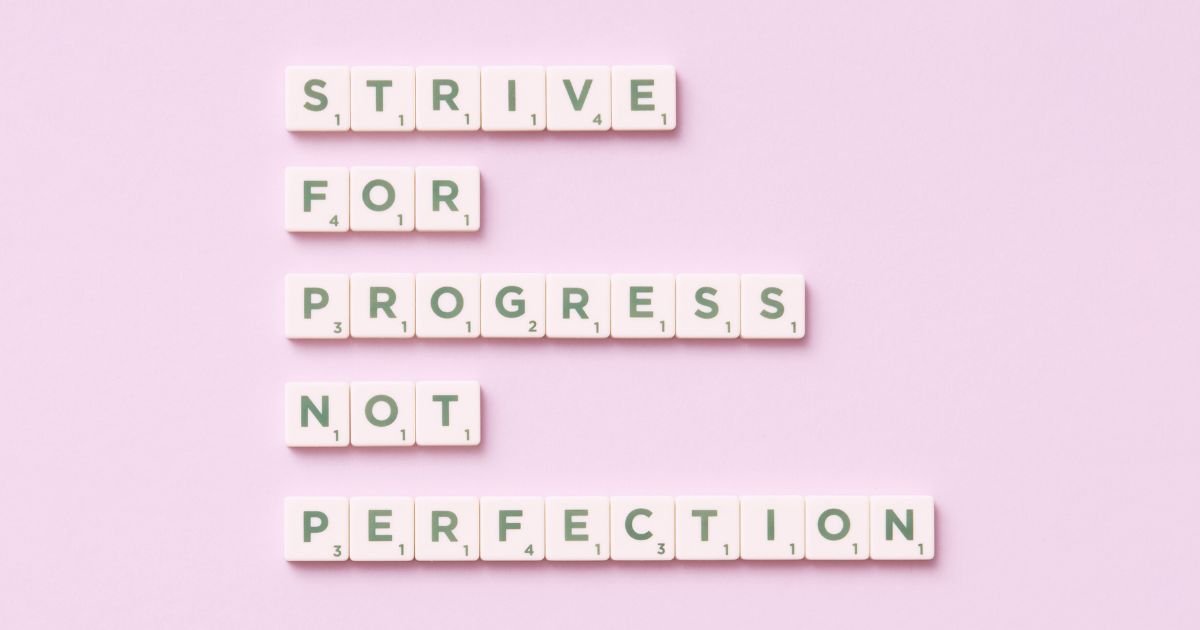
Progress Over Perfection: Building a Support System
💬 Final Words: Every Small Step Matters
You don’t have to do all of this perfectly. None of us do.
But the more we parent with understanding, collaboration, structure, encouragement, and calm—even just one step at a time—the more peaceful and connected our homes become. And that’s what this journey is really about.
You are doing better than you think. And if you ever need a roadmap, coaching, or just someone who truly gets what you’re navigating, I’m here for you.
Many parents find that joining support groups can also help them feel less alone in this journey. Connecting with others who understand the unique challenges of raising a teen who struggles to pay attention or manage hyperactivity can be incredibly validating.
