

How Does ADHD Affect a Teen’s Life?
Parenting a teen with ADHD can feel like navigating a whirlwind. The emotional rollercoasters, forgotten assignments, and constant reminders and battles over everyday tasks can leave you feeling exhausted and frustrated. But here’s the thing: The mindset you bring to the table is everything. It can either be a powerful tool to connect with your teen or a roadblock that keeps you both stuck. There are so many instances where I help parents change their mindsets and expectations because, doing this, will change the trajectory of their relationship with their teen during these crucial teen years.
Inside Your Teen’s ADHD Mind
Before diving into mindset shifts, it’s important to understand that the ADHD brain works differently. Teens with attention deficit hyperactivity disorder aren’t being deliberately forgetful or disorganized – their executive functioning skills are still developing, and ADHD symptoms can make everyday tasks that seem simple to others genuinely challenging for them. The teen years are particularly difficult as hormonal changes can intensify ADHD symptoms.

Effective Parenting Strategies: Six Mindset Shifts
Let’s discuss the most effective mindsets to help your ADHD teen thrive, and the ones helping parents in my community.
1. Shift from Control to Collaboration
When you’re raising an ADHD teen, it’s tempting to jump into micromanagement mode. I get it. You just want to help them stay on track and avoid mistakes. And, honestly, you just want it “done”. But constantly hovering creates stress, defensiveness, and friction. Instead, aim for collaboration.
Instead of: “Do your homework right now!”
Try: “How can we make homework feel more manageable today?”
This approach shows them you’re on their team, not against them. Your teen needs support, not control, and this collaborative approach builds their social skills and problem-solving abilities for the future.
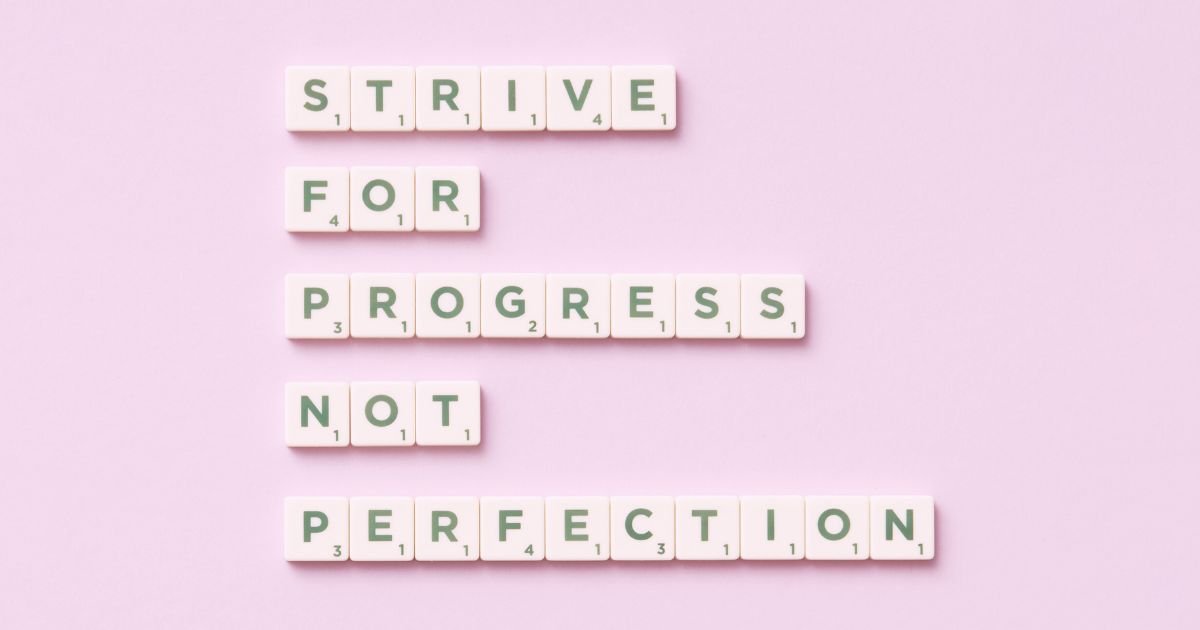
2. Focus on Progress, Not Perfection
Your teen is growing, learning, and experimenting with how to manage their ADHD. There will be mess-ups. Plenty of them. But if your mindset is rooted in expecting perfection, you’ll both end up feeling defeated. Sometimes we get caught up and notice everything that isn’t working, vs. those that are. I recently had a couple who interviewed with me, and they were so focused on their teen’s emotional outbursts that they did not acknowledge that he’s a straight-A student!
Instead of punishing a missed assignment, celebrate when they turn in the next one on time.
Celebrate the small wins—completing one math problem, starting their English essay, or remembering to bring their backpack (or cleats!) to school. Progress matters way more than perfection.

3. Watch Out for Catastrophizing
Let’s talk about one of the most common parent traps: catastrophizing. It’s when we assume the worst-case scenario will happen based on one mistake. And we project this 5 years out!
Real-Life Example: Your teen forgets their homework for the third time this month. Instead of thinking, “They need better systems,” your brain spirals into, “They’re never going to make it in college! What if they can’t hold a job? What if they’re living in my basement forever?”
Why It’s a Problem: When you catastrophize, your stress level skyrockets and your teen feels like they can never meet your expectations. This can negatively impact their mental health and self-esteem.
What to Do Instead: Take a deep breath. Remind yourself that one rough moment doesn’t predict the entire future. There is significant brain growth that happens between 16-18 years old and trust me when I share that so many of these life habits occur outside the home when they are in college or in the workforce. They will figure it out and yes, it may be messy, but it’s their mess, not yours, that they need to figure out. Focus on finding solutions with your teen, not jumping to worst-case scenarios.

4. Prioritize Connection Over Correction
Yes, they need guidance. But if all they hear is correction and criticism, your words start to feel like noise. Make connection your top priority. Your teen will be out of the house in no time- what do you want them to remember you by? The nagging parent who increases their stress or the supportive one who is their safe place to mess up and figure life out?
Instead of: “Why can’t you just stay focused?”
Try: “What makes it hard for you to focus? How can I support you?”
Your willingness to listen and genuinely understand makes all the difference. Connection first, correction second. This approach also helps build the social skills they’ll need at school and beyond.

5. Practice Compassion—for Them and Yourself
You’re not going to parent perfectly. And they’re not going to handle ADHD perfectly. And guess what? That’s okay.
Show compassion by acknowledging their struggles without judging them. Understanding that ADHD treatment isn’t just about medication but also about creating supportive environments at home can take pressure off both of you.
And when you mess up as a parent? Forgive yourself. Taking that one step further, ask them for forgiveness when you are over the top judging and worrying about them!
Celebrate your effort because this journey is hard work. And the fact that you’re even here, trying to do better, says a lot.

6. Empower Instead of Rescue
You want your teen to be capable of navigating the world on their own. What message are you sending them if you constantly swoop in to fix their mistakes? Ask guiding questions.
Try: “What’s your plan for getting this assignment done?” or “What’s something you can do to make this task feel less overwhelming?”
Empowering them to problem-solve and create their own strategies is a massive confidence booster. It’s about giving them the tools, not doing the work for them. For teens with ADHD, learning these skills now will serve them well as they transition to adults with ADHD who need to manage their own time and responsibilities.

Supporting Teenagers with ADHD: Building a Foundation
Remember that you don’t have to do this alone. Many parents of children with ADHD need support themselves. Consider joining parent support groups, connecting with other families navigating similar challenges, or working with ADHD parenting coaches who understand the unique challenges of the teen years.
Developing Friendships for Teenagers with ADHD
Social relationships can be particularly challenging for teens with ADHD. Their impulsivity, difficulty reading social cues, or hyperactivity might make peer interactions complicated. Support your teen by:
- Role-playing social scenarios at home
- Encouraging participation in structured activities based on their interests
- Creating opportunities for positive social interactions in environments where they feel comfortable
- Teaching them to recognize when they need a break from social situations

Helping with Homework and Study for Teenagers with ADHD
Creating effective study habits can transform your teen’s academic experience:
- Establish a consistent homework space with minimal distractions
- Break study sessions into manageable chunks (25 minutes of focus followed by a 5-minute break)
- Use visual timers to help with time awareness
- Encourage the use of colored highlighters, sticky notes, or other visual tools
- Consider whether background music helps or hinders their focus (this varies by teen)

Final Thoughts on Parenting Teens with ADHD
Parenting an ADHD teen is no easy feat, but with the right mindset, you can transform your home from a place of frustration and power struggles to one of connection, growth, and support. Remember, it’s not about getting it right all the time. It’s about showing up, trying again, and giving yourself permission to grow alongside your teen, and dare I say, let go of that messy room every now and then.
The things that matter most aren’t perfect homework assignments or spotless bedrooms—it’s the relationship you’re building and the life skills your teen is developing. With patience, understanding, and these mindset shifts, you can help your teen not just survive but thrive with ADHD.
You’ve got this!
Need more support? Check out my youtube channel!
